 By
By 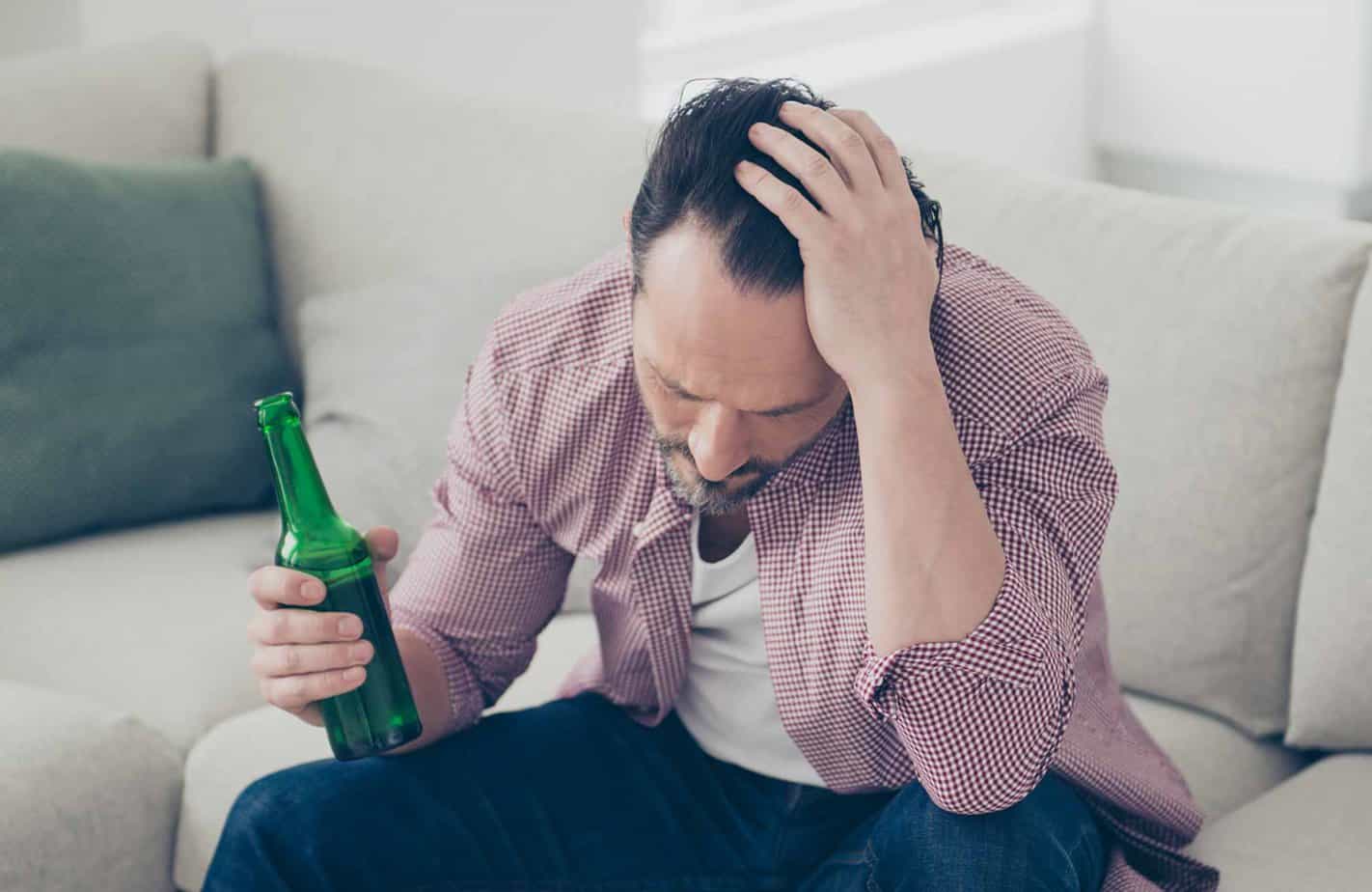
The article explains the destructive link between anxiety and alcohol, highlighting how using “liquid courage” for temporary relief creates a vicious cycle that ultimately worsens anxiety symptoms, a phenomenon sometimes called “hangxiety.” It points out that various anxiety disorders, from social anxiety to OCD, have a high correlation with alcohol misuse, where people are essentially self-medicating with dangerous long-term consequences. The piece strongly encourages those who are “anxiety drinking” to seek professional, integrated treatment and adopt healthier coping mechanisms such as cognitive behavioral therapy (CBT), mindfulness, and exercise.
Do you find yourself reaching for a drink more often than you’d like? Perhaps you tell yourself it’s just to unwind after a long day. But could there be a deeper reason? Could anxiety drinking be at the root of your habit? It’s a question many people are afraid to ask, but understanding the connection between anxiety and alcohol is the first step toward breaking free.
Many people struggling with alcohol misuse or alcohol problems use alcohol as a way to cope with their anxiety. Understanding the link between anxiety and alcohol is crucial for anyone looking to regain control of their life and mental wellbeing.
The Allure of “Liquid Courage”
It’s easy to see the appeal of alcohol for nerves. That first sip can feel like a wave of calm washing over you, temporarily silencing the racing thoughts and easing the physical tension that often accompanies anxiety. Maybe you even rely on liquid courage to get through social situations, especially if you experience social anxiety drinking. The temporary confidence boost can make social interactions feel less daunting, even enjoyable.
But what happens when the buzz wears off?
The Vicious Cycle: Anxiety and Alcohol
The truth is, while alcohol might offer temporary relief, it often exacerbates anxiety in the long run. This creates a vicious cycle: you drink to ease anxiety, but the after-effects, often referred to as hangxiety, make you feel even more anxious, leading you to drink again.
Here’s how it often plays out:
- Stress drinking after a tough day at work to quiet the mind
- Using a glass of wine to quiet the mind before bed, hoping for a restful night’s sleep
- Drinking to stop overthinking at night, only to wake up with even more intense racing thoughts
- Relying on alcohol to feel “normal” in crowds, masking underlying social anxieties
- Experiencing the cycle of evening drinks and morning dread, where temporary relief is followed by amplified anxiety
The National Epidemiological Survey on Alcohol Related Conditions found that 20 to 40 percent of people with anxiety disorders also have an alcohol use disorder. This is four to eight times higher than the general population, highlighting the strong correlation between these two conditions.
Anxiety Disorders and Alcohol: A Closer Look
It’s important to recognize that different anxiety disorders can manifest in different drinking patterns.
- Social anxiety disorder (SAD): The “social lubrication” effect of alcohol can be incredibly tempting, making it easier to navigate social situations.
- Generalized anxiety disorder (GAD): The constant worry and tension can lead to frequent drinking as a way to achieve mental quietness.
- Panic disorder: Alcohol might seem like a quick fix to dampen the panic response and reduce anticipatory anxiety.
- PTSD & drinking: Individuals may turn to alcohol to numb traumatic memories and hyperarousal symptoms.
- Alcohol and OCD: People with obsessive-compulsive disorder (OCD) may use alcohol to quiet obsessive thoughts and reduce the distress associated with intrusive thoughts.
The Connection Between Alcohol and Racing Thoughts
For those with OCD, the connection between alcohol and racing thoughts is particularly complex. While alcohol might temporarily suppress intrusive thoughts, the rebound anxiety and hyperexcitability following alcohol withdrawal can actually worsen obsessive symptoms. This begs the question: Does alcohol make OCD symptoms worse the next day? The answer, unfortunately, is often yes, creating a destructive cycle. This is especially true when managing intrusive thoughts and OCD with alcohol.
Self-Medicating: A Dangerous Game
Many people with anxiety disorders are essentially self-medicating with alcohol. They’re trying to alleviate the negative emotional and physiological consequences of their anxiety by drinking. While this might provide temporary relief, it can lead to a dangerous pattern of dependence and tolerance.
Longitudinal research shows that people who use alcohol specifically to cope with anxiety are 2.5 times more likely to develop an alcohol use disorder. If they continue to use alcohol for anxiety management, their odds of persistent alcohol dependence increase to 6.25 times higher.
The Harm Paradox: Why Anxious Drinkers Suffer More
One of the most concerning findings is the “harm paradox” effect. This means that people with anxiety disorders experience more alcohol-related symptoms and consequences than those without anxiety, even when they consume the same amount of alcohol. In other words, anxious habits and alcohol are a dangerous combination.
Why Do I Only Feel Relaxed After a Drink?
If you find yourself constantly asking, “Why do I only feel relaxed after a drink?”, it’s time to examine the underlying issues. Alcohol might be masking internal restlessness, but it’s not addressing the root cause of your anxiety.
Consider these questions:
- Am I using alcohol to numb my feelings?
- Is my nightly glass of wine actually an anxiety ritual?
- Is it common to drink to stop a panic attack?
- Why does my heart race at 3 AM after drinking?
- Why does alcohol make me feel more insecure later on?
Breaking the Cycle: Finding Healthier Coping Mechanisms
Breaking the habit of stress-induced drinking is possible. The key is to find healthier coping mechanisms for managing your anxiety.
Here are some strategies to consider:
- Mindfulness and meditation: Learning to tolerate anxiety without immediately trying to escape it.
- Exercise: Regular physical activity can reduce anxiety symptoms.
- Sleep hygiene: Prioritizing sleep can significantly improve anxiety levels.
- Cognitive behavioral therapy (CBT): Identifying and changing the thinking patterns and behaviors that maintain your anxiety.
Evidence-based anxiety treatments demonstrate that individuals can manage anxiety without alcohol and often achieve better long-term outcomes.
If you or someone you know is struggling with substance abuse, Mountainside can help. We offer individualized and comprehensive treatment that meets people where they are. Speak with an admissions specialist today to discover your options!
If you or a loved one is struggling with addiction, Mountainside can help.
Click here or call (888) 833-4676 to speak with one of our addiction treatment experts.